Source Amazonite Mala Beads Necklace for Yoga, Gifts, Daily Wear
Compare 30 amazonite mala beads necklace options from verified Chinese suppliers. Buyers can review lengths, materials like lava stone, and plating details to find suitable pieces for yoga, gifting, or daily fashion use; compare the available evidence and request quotations based on your requirements.
Key considerations
Products List
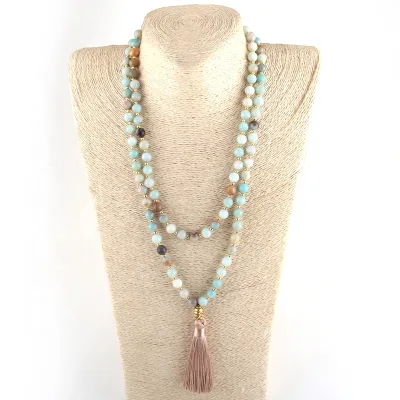
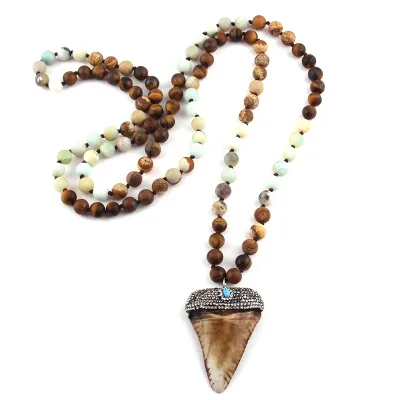
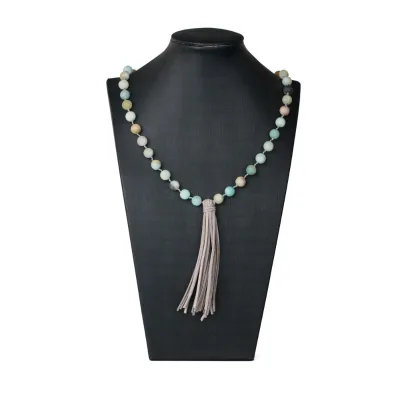
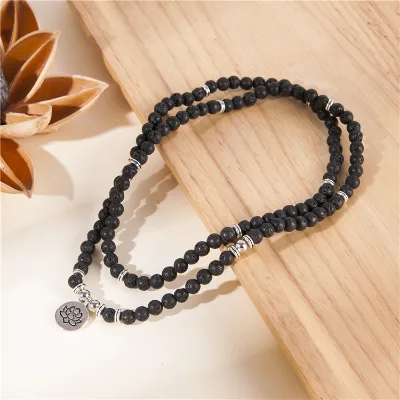
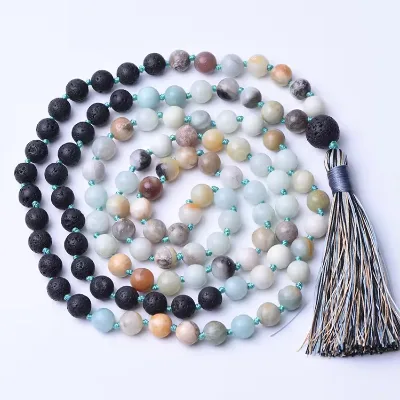
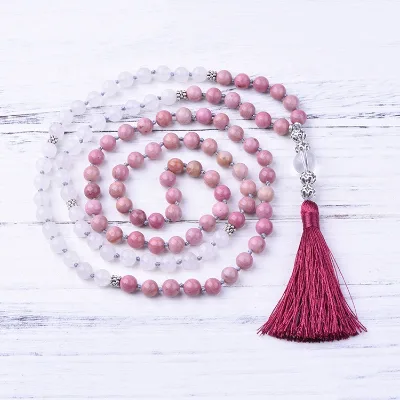
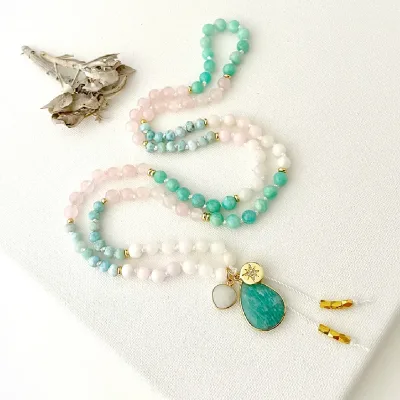
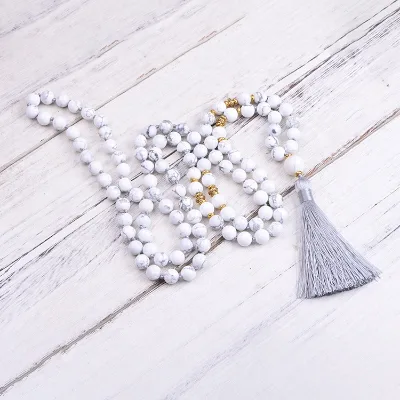


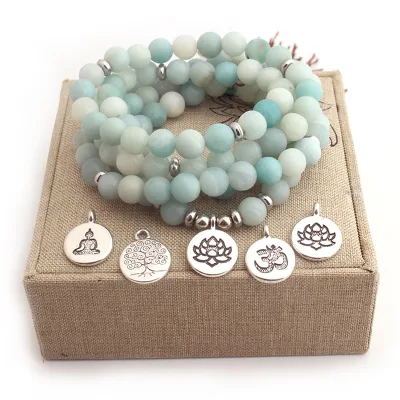
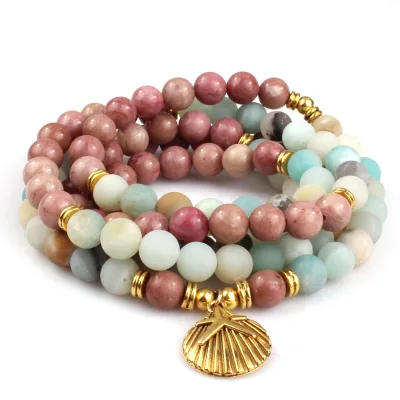
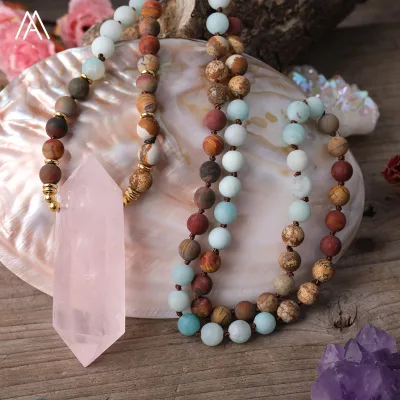
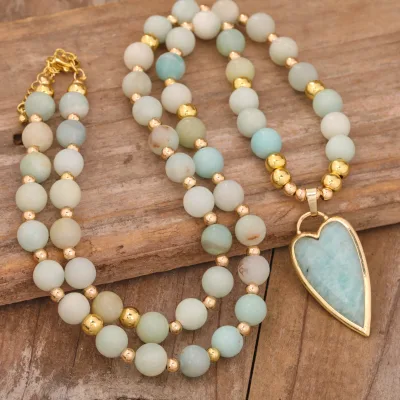
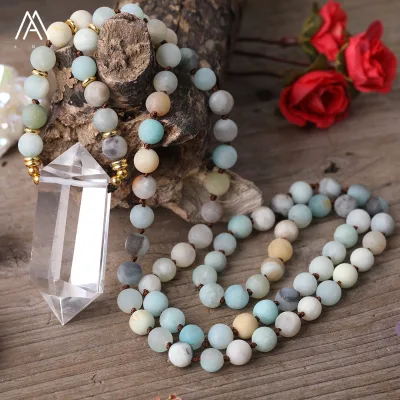
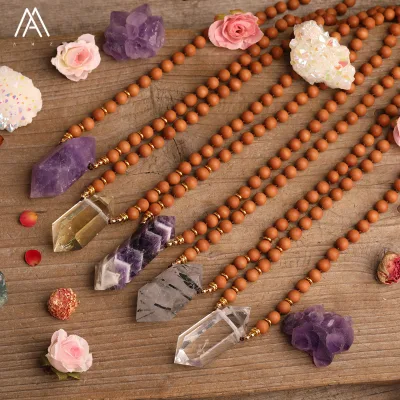
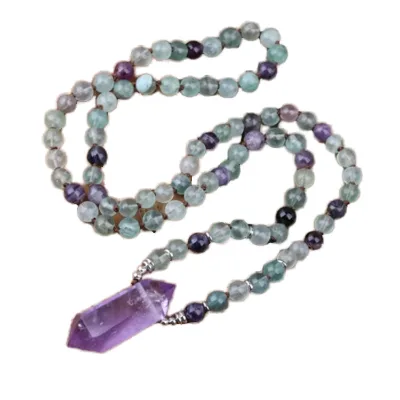
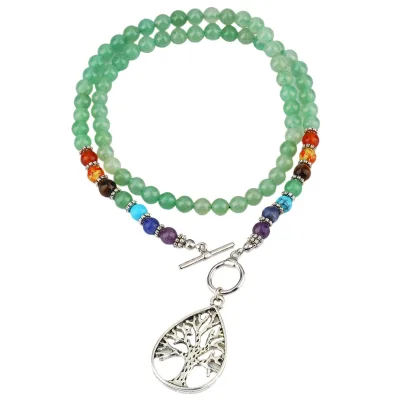
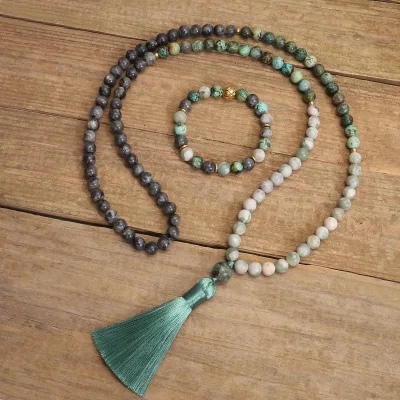

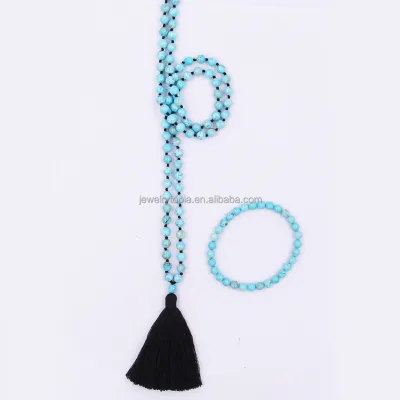
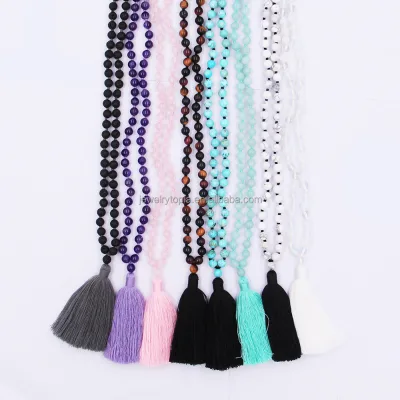
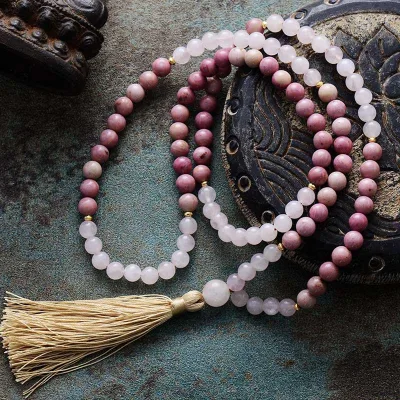

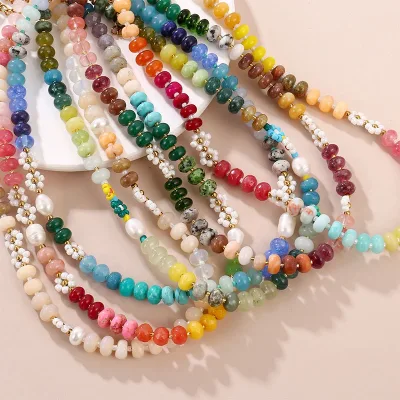
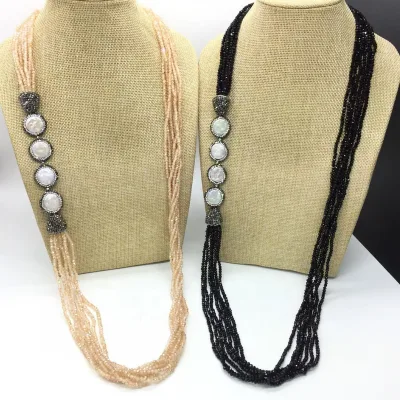
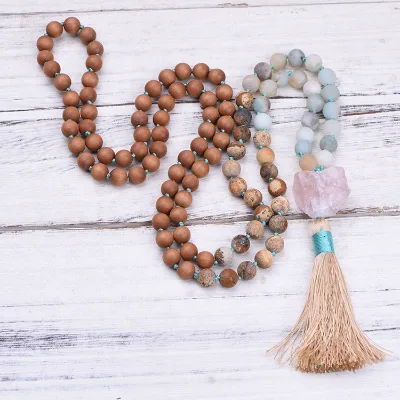
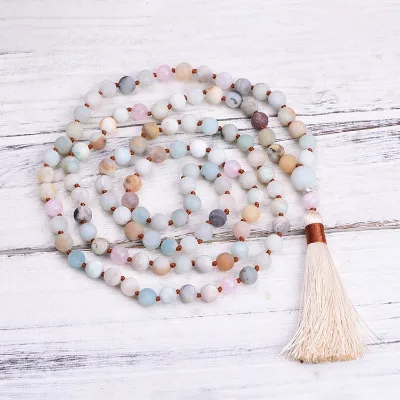
Comprehensive Sourcing Guide
Amazonite Mala Beads Necklace Sourcing Guide
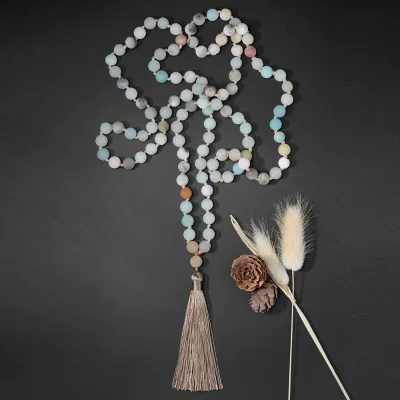
Procuring amazonite mala bead necklaces requires a disciplined approach to verifying material authenticity and structural integrity. Buyers must distinguish between genuine amazonite and dyed alternatives, as the stone’s characteristic blue-green hue and chatoyancy are key value drivers. The observed listings indicate a focus on beaded necklaces with specific religious or trendy design elements, often featuring lava stone or agate accents. Understanding the product scope is the first step in defining your quality control parameters.
The market offers a diverse range of styles, from unisex religious pieces to fashion-forward designs. Listings show variations in length, including specific measurements like 39 inches and 42 inches, which are critical for fit and drape. Some products are sold as single items, while others are sold in multiples of ten, impacting your inventory planning. By analyzing these observed signals, you can align your sourcing strategy with your target market’s preferences for color, size, and packaging.
Product Scope and Observed Listing Signals
The primary product category is beaded necklaces, often categorized under religious or trendy styles. High-confidence data indicates that main stones include amazonite and lava stone, with some listings featuring agate, black labradorite, or howlite. The design often incorporates geometric patterns or simple bead chains. Buyers should note that "mala" implies a specific bead count, typically 108, though not all listings explicitly state this. Verifying the bead count is essential for religious applications.
Observed color options range from standard amazonite blue to mixed colors, including pink and multi-toned variants. Some listings specify "picture" or "pic 1" as color descriptors, which requires visual confirmation via samples. The gender attribute is often listed as unisex or female, suggesting broad market appeal. Plating options include silver and gold, which can enhance the aesthetic value but add to the cost. Understanding these variations helps in creating a standardized product specification sheet.
Technical Specifications to Verify
Length is a critical specification, with observed values including 39 inches, 42 inches, and specific centimeter measurements like 76cm and 103cm. Buyers must confirm whether the length includes the guru bead and tassel, as this affects the total wearability. The package size per batch is noted as 8x8x1 cm for some items, which is useful for logistics planning. Gross weight per batch is observed at 0.600 kg, while single item gross weight is 0.100 kg. These metrics are vital for calculating shipping costs and storage requirements.
Material composition must be verified through physical inspection or lab testing. The main material is listed as amazonite and lava stone, but inlay technology varies, with some items using aperture setting and others having no inlay. The chain type is typically beads, and the necklace type is beaded. Buyers should request detailed material certificates to ensure the stones are natural and not synthetic. Additionally, the plating type, such as silver or gold, should be confirmed to match the product description and expected durability.
Compliance and Safety Documentation
Compliance documentation is essential for international trade, particularly for jewelry containing metals or treated stones. While specific certification types like STS are mentioned in some listings, buyers should request full compliance dossiers. This includes material safety data sheets (MSDS) for any chemical treatments used on the stones or metals. For products with plating, verify that the plating thickness and base metal comply with destination market regulations. This ensures that the product meets safety standards for skin contact.
Religious items may have specific cultural or ethical sourcing requirements. Buyers should inquire about the origin of the stones, with observed places of origin including Guangdong and Zhejiang, China. Ensuring ethical sourcing and fair labor practices is increasingly important for B2B buyers. Documentation should also include proof of origin and any relevant export licenses. By securing these documents upfront, you mitigate the risk of customs delays or product recalls due to non-compliance.
Cost Drivers and Commercial Terms
The observed price range for these necklaces is between $1.1 and $19.34 USD, reflecting significant variation based on material quality, bead size, and plating. Higher prices are typically associated with larger beads, genuine amazonite, and gold or silver plating. Buyers should request tiered pricing based on order volume, as MOQs range from 1 to 1000 units. Understanding the cost structure helps in negotiating better terms and managing budget constraints. It is crucial to clarify whether the quoted price includes packaging and shipping.
Commercial terms should specify payment methods, lead times, and delivery conditions. While specific lead times are not provided in the data, buyers should negotiate clear timelines based on production complexity. Payment terms, such as T/T or L/C, should be agreed upon to mitigate financial risk. Additionally, clarify the return policy for defective items and the warranty period for plating or stone integrity. Transparent commercial terms ensure a smooth transaction and build trust with the supplier.
Supplier Qualification and Quality Control
Supplier qualification involves assessing their production capabilities, quality control processes, and financial stability. Request samples of the amazonite mala beads necklace to evaluate bead uniformity, color consistency, and stringing quality. Inspect the knots and clasps for durability, as these are common failure points. Suppliers should provide evidence of their quality control procedures, such as pre-shipment inspection reports. This ensures that the bulk order matches the sample quality.
Quality control should include checks for stone authenticity, plating integrity, and packaging accuracy. Use gemological tests if necessary to verify the amazonite content. Check for any cracks or chips in the beads, which can affect the product’s aesthetic and durability. Packaging should be secure and protective, with clear labeling. By implementing rigorous quality control measures, you reduce the risk of receiving defective products and maintain customer satisfaction.
Long-Term Procurement Checks
Long-term procurement requires establishing a stable supply chain and maintaining consistent quality. Regularly review supplier performance metrics, such as on-time delivery rates and defect rates. Build a relationship with the supplier to facilitate communication and resolve issues promptly. Consider diversifying your supplier base to mitigate risks associated with single-source dependency. This ensures a steady supply of amazonite mala bead necklaces for your market.
Monitor market trends and material availability to adjust your procurement strategy. Amazonite prices may fluctuate based on supply and demand, so stay informed about market conditions. Regularly update your product specifications to reflect customer feedback and new design trends. By maintaining a proactive approach to procurement, you can optimize costs and ensure a reliable supply of high-quality products. This strategic approach supports sustainable growth and customer loyalty.
FAQs
What is the typical length of an amazonite mala beads necklace
The typical length for these necklaces is approximately 71cm, 76cm, or 103cm depending on the specific model. Some variations may also be listed in inches, such as 39 or 42 inches. Buyers should verify the exact measurement against the product specification sheet to ensure it fits their intended use.
Which materials are used in amazonite mala beads necklaces
These necklaces primarily feature amazonite and lava stone as the main materials. Some designs incorporate additional stones like agate, black labradorite, howlite, or matte amazonite. The chain type is usually beads, and the jewelry main material is consistently listed as amazonite or lava stone in product data.
Can I customize the design of amazonite mala beads necklaces
Yes, customization is available for these products. Buyers can request specific design adjustments or color variations, such as mixed colors or specific stone combinations. The inlay technology may vary, with some options using aperture setting or no inlay. Confirm specific customization capabilities with the supplier before placing an order.
What is the minimum order quantity for these necklaces
The minimum order quantity ranges from 1 to 1000 units depending on the supplier and specific product listing. Some items are sold as single items, while others require multiples of 10. Buyers should check the specific MOQ for each product variant to align with their procurement volume and inventory needs.
Where are amazonite mala beads necklaces typically manufactured
These necklaces are typically manufactured in Guangdong, China, or Zhejiang, China. The place of origin is a key factor for buyers considering logistics and trade regulations. Suppliers in these regions often provide competitive pricing and established production capabilities for beaded jewelry items.
What is the price range for amazonite mala beads necklaces
The observed price range for these necklaces is between 1.1 and 19.34 USD per unit. Prices vary based on the specific stone combination, length, and customization level. Buyers should request updated quotes from suppliers to account for current market conditions and shipping costs.
What is the gross weight of a single necklace
The single gross weight for these necklaces is approximately 0.100 kg. This weight helps buyers estimate shipping costs and packaging requirements. Batch weights may differ, with some batches weighing 0.600 kg. Accurate weight data is essential for calculating logistics expenses and ensuring compliance with carrier limits.